
שלח דוא"ל info@xinhuatextile.com
צריך עזרה כלשהי?+86 -13805995216
שלח דוא"ל info@xinhuatextile.com
צריך עזרה כלשהי?+86 -13805995216
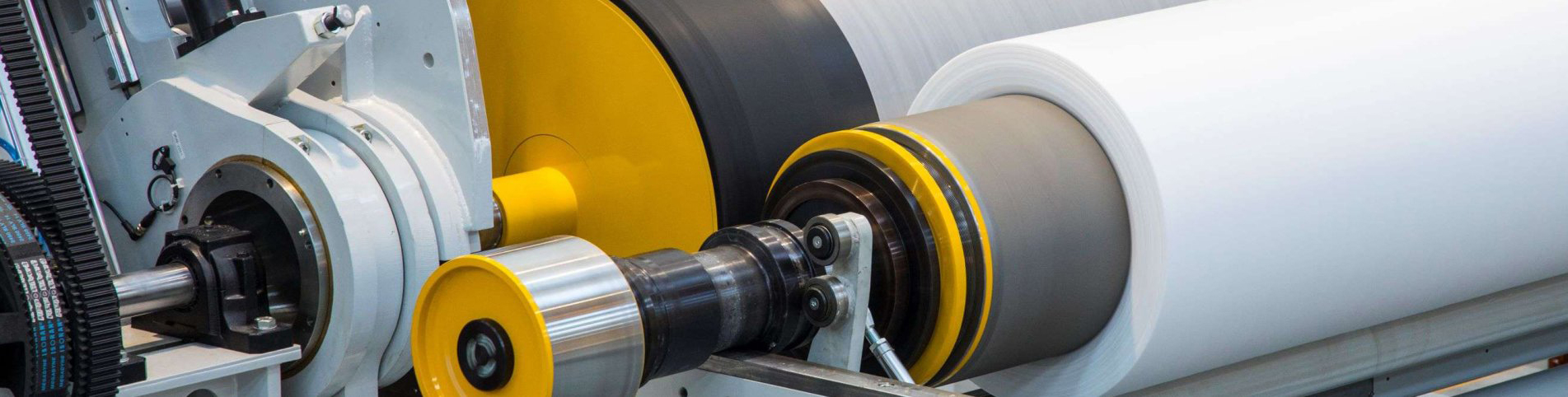
בד לא ארוג הוא חומר שטוח, נקבובי, דמוי יריעת חומר המופק ישירות מסיבים מפוזרים, פלסטיק מותך או סרטי פלסטיק. בניגוד לתהליכי טוויה או אריגה מסורתיים, חומרים אלה מודבקים יחד באמצעים מכניים, תרמיים או כימיים.
תהליכי ייצור ייחודיים אלה מולידים סוגים שונים של בדים לא ארוגים:
בד לא ארוג Spunbond:
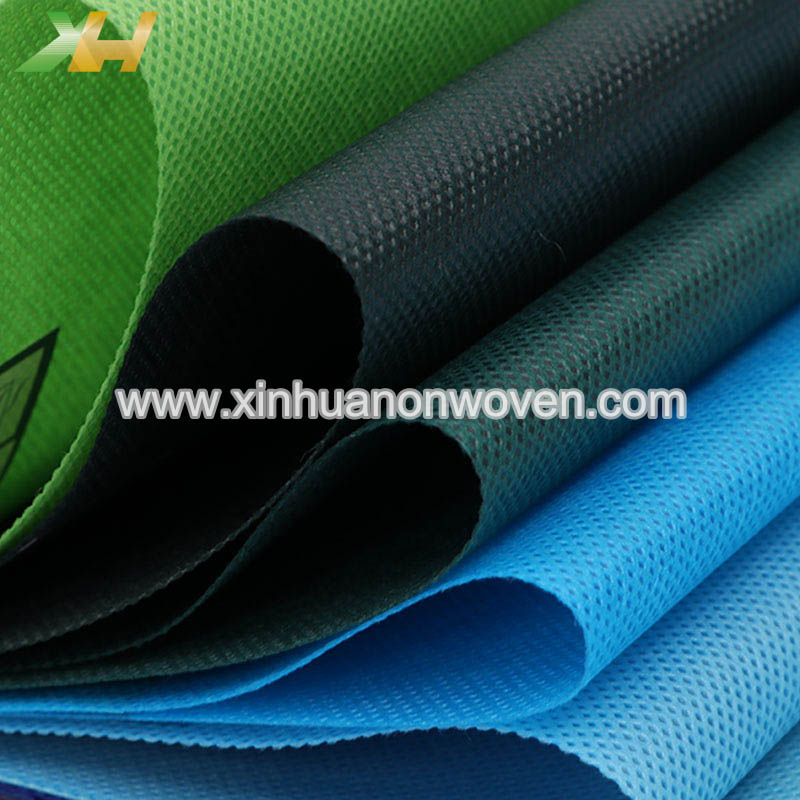
בד לא ארוג ספונבונד הוא חומר טקסטיל קשיח וקל משקל המאופיין בתכונות דוחות נוזלים. ייצורו כרוך בשיחול פולימרים מותכים (כגון פוליפרופילן) ליצירת סיבים רציפים, הנחתם ליצירת מבנה דמוי רשת, ולאחר מכן חיבורם יחד - בדרך כלל באמצעות תהליך קשירה תרמי. חומר זה, הידוע בעמידותו, חסכוניותו ויכולת הנשימה שלו, מועדף מאוד במגוון רחב של יישומים תעשייתיים וצרכניים.
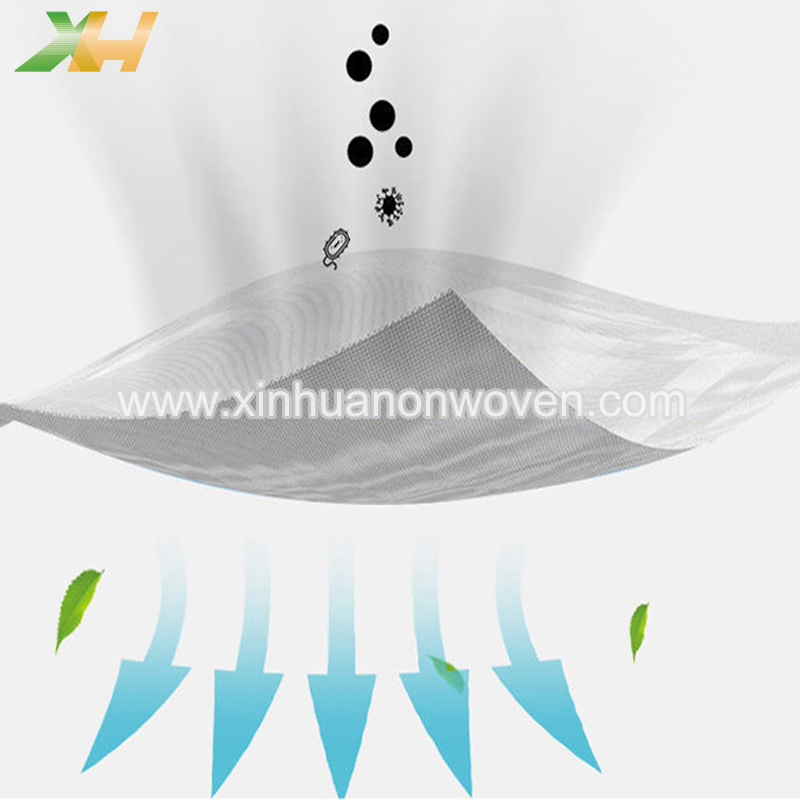
בד לא ארוג נמס:
בד לא ארוג נמס הוא חומר נקבובי במיוחד, בעל סיבים דקים במיוחד, המשמש בעיקר כמדיום סינון במסכות רפואיות, מסכות נשימה ומערכות סינון אוויר/נוזל תעשייתיות. תהליך הייצור שלו כולל חילוץ פולימרים מותכים (כגון פוליפרופילן) ושימוש בזרמי אוויר חם במהירות גבוהה כדי להחליש (למשוך ולזקק) אותם, ובכך ליצור מחסום צפוף דמוי רשת המסוגל ללכוד ביעילות חלקיקים מיקרוסקופיים.
בד לא ארוג Spunlace:
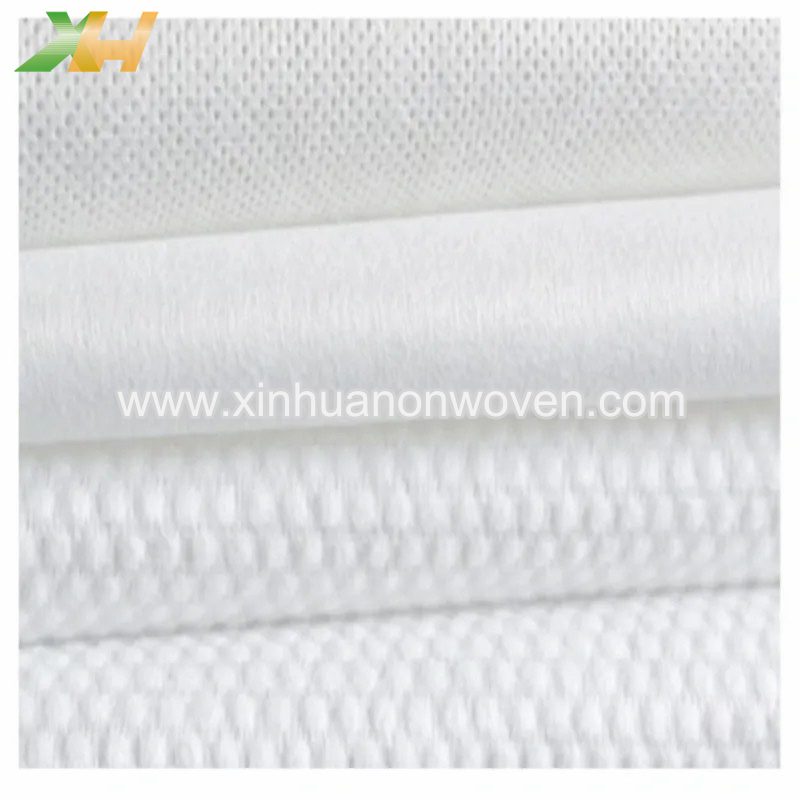
בד לא ארוג Spunlace הוא חומר רב-תכליתי, בעל מרקם רך ועמיד המיוצר בתהליך המכונה הידרו-הסתבכות (או הידרו-לידינג), המשתמש בסילוני מים בלחץ גבוה כדי לסבך מכנית רשת של סיבים. תהליך הדבקה מכני זה גורם לסיבים להשתלב ולהשתלב זה בזה ללא צורך בחומרים כימיים. הבד הלא ארוג המתקבל מציג יכולת ספיגה מצוינת, יכולת נשימה טובה ותכונות נטולות סיבים, מה שהופך אותו לשימוש נפוץ ביישומים רפואיים, טיפוח יופי וניגוב תעשייתי.
בד לא ארוג מנוקב במחט:
בד לא ארוג מנוקב במחט הוא חומר טקסטיל קשיח, דמוי לבד, הנוצר על ידי ניקוב מכני של סיבים רופפים עם אלפי מחטים דוקרניות, הגורמות לסיבים להסתבך ולהיקשר יחד. חומר זה, הידוע בעמידותו יוצאת הדופן, חדירותו לנוזלים ויכולות הסינון המעולות שלו, משמש כבחירה אידיאלית עבור יישומים בהנדסה אזרחית, גינון ומגזרים תעשייתיים שונים.
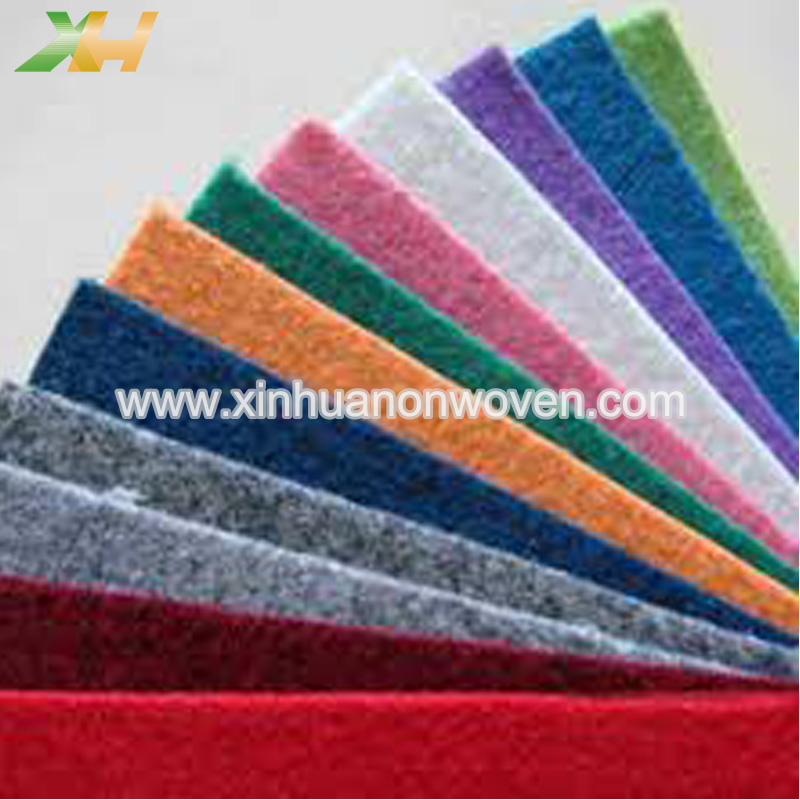
בד לא ארוג מודבק בתפר:
בד לא ארוג המחובר בתפרים הוא חומר עמיד, דמוי מרוכב, המיוצר בתהליך ייצור המשתמש בחוטים רציפים כדי לתפור ולחזק מכנית רשתות סיבים רופפות. בהשוואה לבדים לא ארוגים סטנדרטיים המחוברים כימית או תרמית, כמו גם לבדים לא ארוגים המחוברים במחט, חומר מחוזק "דמוי רשת" זה מפגין עמידות מעולה לקרע, יציבות ממדית וגמישות.
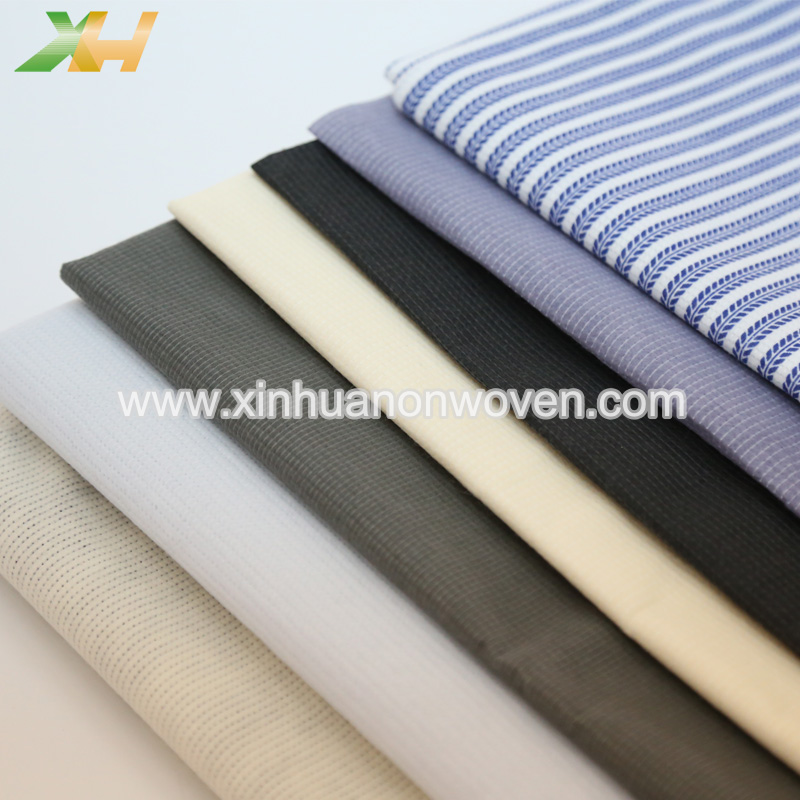
בד לא ארוג מחובר כימית:
בד לא ארוג המחובר כימית הוא טקסטיל מהונדס המיוצר על ידי מריחת חומרי קשירה נוזליים - כגון אקרילטים או שרפים - על שכבות של רשתות סיבים רופפות. תהליך זה מאחד את הסיבים לחומר יציב ועמיד, המוערך בזכות מחירו הסביר, מרקמו הרך, נוחות הלבישה ותכונותיו הניתנות להתאמה אישית - כולל ספיגה ועמידות בעירה.
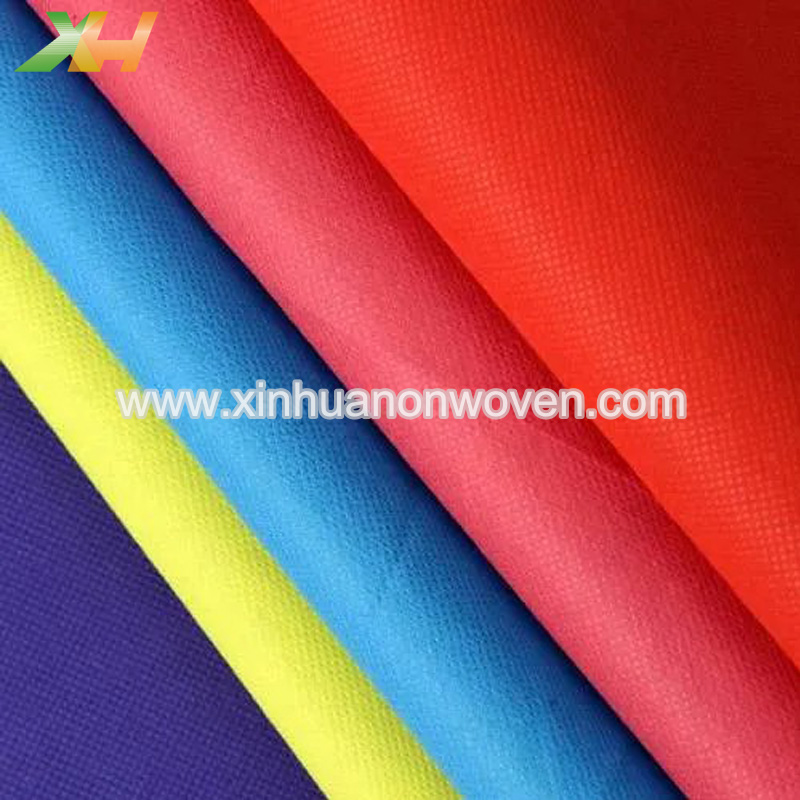
בד לא ארוג מודבק תרמית:
בד לא ארוג המחובר תרמית הוא חומר רך, קל משקל וחסכוני המיוצר על ידי טיפול בחום של רשת סיבים - המורכבת מסיבים תרמופלסטיים (כגון פוליפרופילן או פוליאסטר). תהליך החימום גורם להמסה מקומית בנקודות החיתוך של הסיבים, ובכך יוצר מבנה מחובר חזק, נושם וניתן להתאמה אישית ללא צורך בחומרים כימיים.
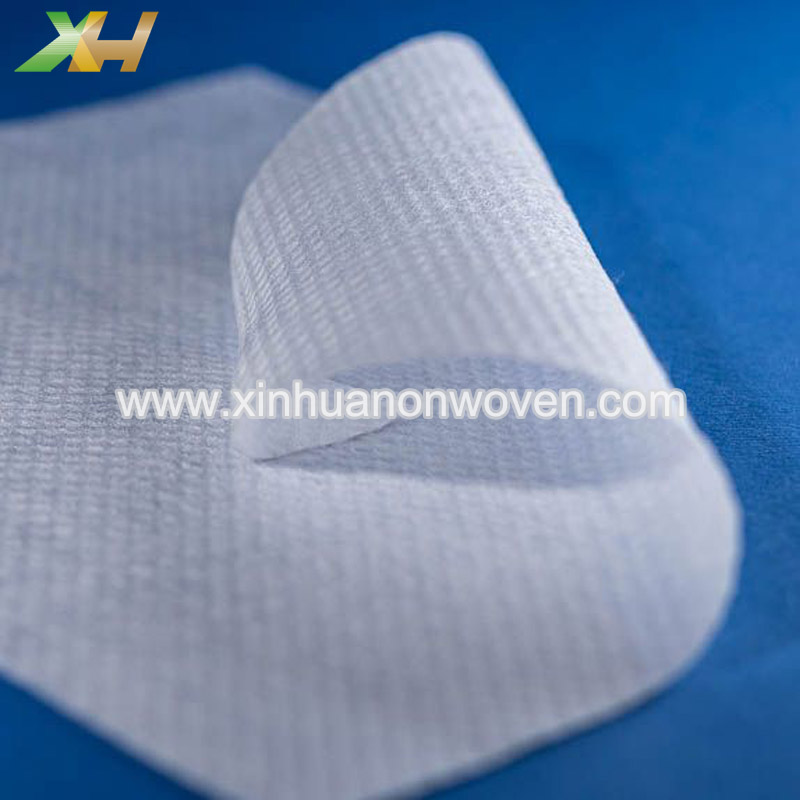
בד לא ארוג רטוב:
בד לא ארוג המונח בתנור רטוב הוא טקסטיל טכני המיוצר בתהליך שמקורו בטכניקות ייצור נייר מסורתיות. סיבים טבעיים, סינתטיים או זכוכית קצוצים מושעים במים ליצירת תרחיף; לאחר מכן תרחיף זה מונח על מסך נע, מיובש ומחובר ליצירת מבנה רשת סיבים איזוטרופי אחיד ביותר.
בד לא ארוג המונח באוויר:
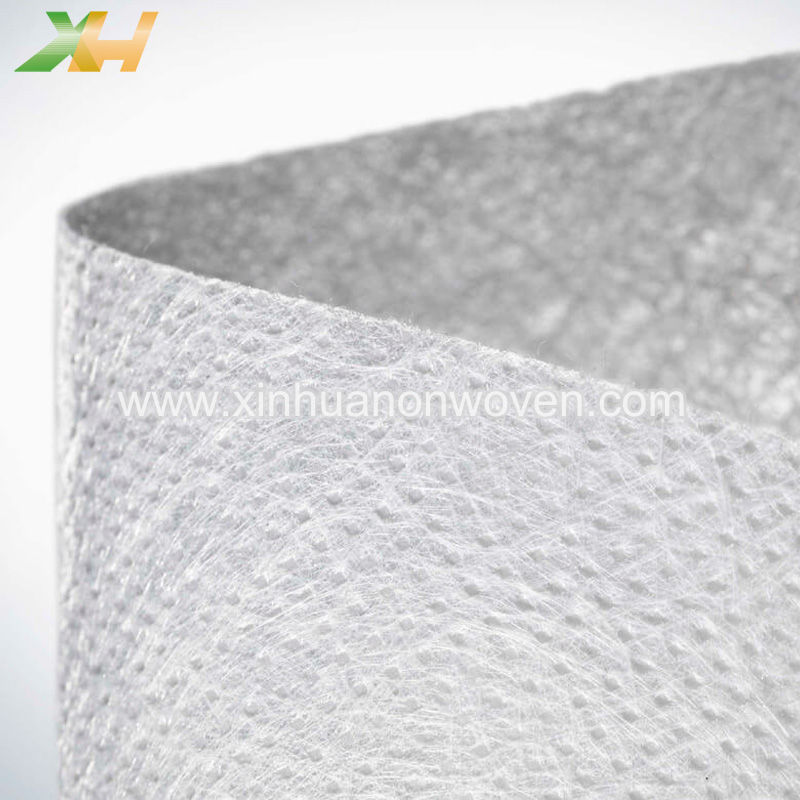
בד לא ארוג המונח באוויר הוא חומר סופג במיוחד ובעל מרקם רך, המורכב בעיקר מעיסת עץ ו/או סיבים סינתטיים. בניגוד מנייר או טקסטיל מסורתיים המונחים ברטוב, המבנה הייחודי של חומר זה נוצר על ידי פיזור והדבקת סיבים באמצעות זרימת אוויר במהירות גבוהה. הוא נמצא בשימוש נרחב בתחומים כמו מוצרי היגיינה חד פעמיים, ציוד רפואי וחומרי אריזה.
המשיכו לקרוא, הישארו מעודכנים, הירשמו, ונשמח שתספרו לנו מה אתם חושבים.
זכויות יוצרים
@ 2026 חברת טקסטיל שינחואה בע"מ כל הזכויות שמורות
. רשת נתמכת
Hi! Click one of our members below to chat on
 עִברִית
  English
 Français
 Deutsch
 Русский
 Italiano
 Español
 Português
 عربي
عربي Indonesia